
WISP Upcoming Events
Wednesday, 5/1: Registration Deadline for Wetterhahn Symposium
Wednesday, 5/1: Faculty recommendation request deadline, Sophomore Scholars
Wednesday, 5/8: Faculty recommendation and student application deadline, Sophomore Scholars
Wednesday, 5/22: Wetterhahn Symposium
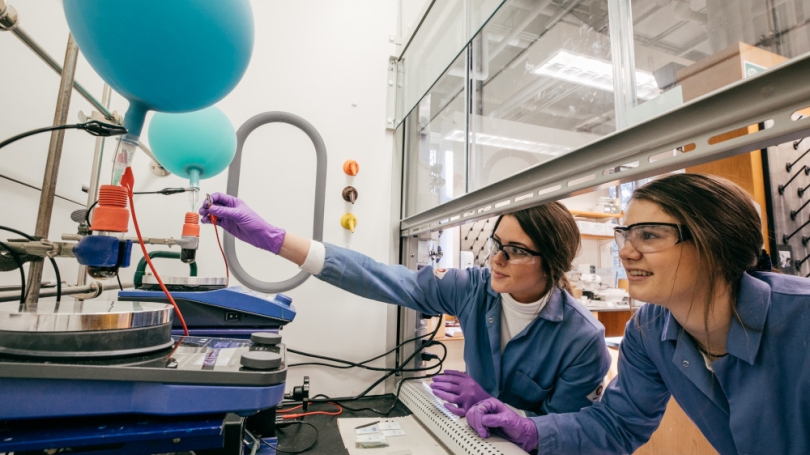
Internships
WISP internships match women interested in STEM fields to on-going faculty research projects. They expose students to research in action.

Peer Mentor Program
The WISP Peer Mentor Program is underway for the 2023-24 academic year!
To learn more about the PMP and its mission to build community among young women science scholars, visit this page.
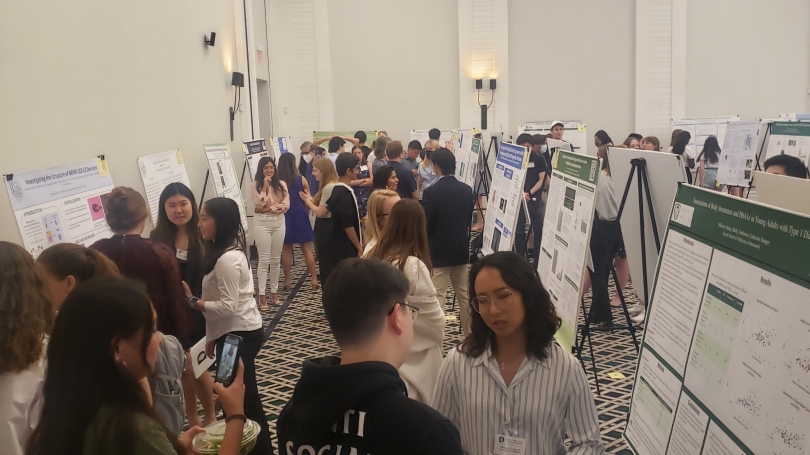
Wetterhahn Science Symposium
The Wetterhahn Science Symposium celebrates undergraduate STEM research at Dartmouth each spring.
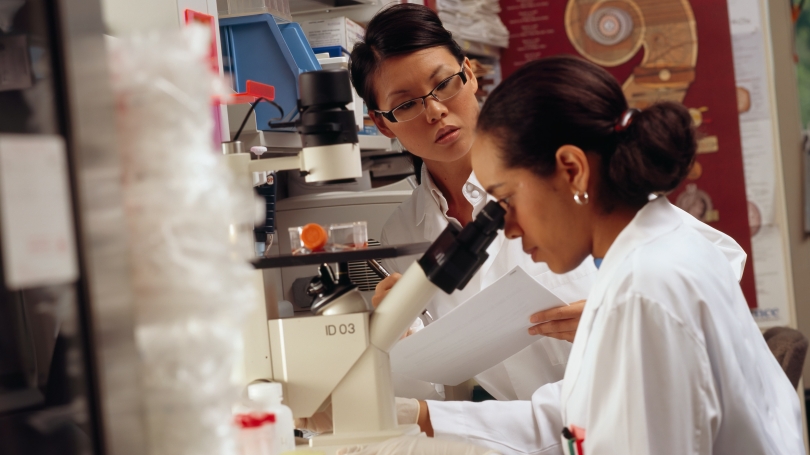
WISP Scholars Program
The WISP Scholars Program is a self-paced course that offers training modules, software tutorials, library guides, and other opportunities for Dartmouth undergraduates interested in the sciences. Learn more about it here!
About Internships
WISP internships offer winter and spring term research experience.
learn more