You may be using a Web browser that does not support standards for accessibility and user interaction. Find out why you should upgrade your browser for a better experience of this and other standards-based sites...

Dartmouth Home  Search  Index

Dartmouth HomeSearchIndex

Dartmouth home page

MALS

MALS

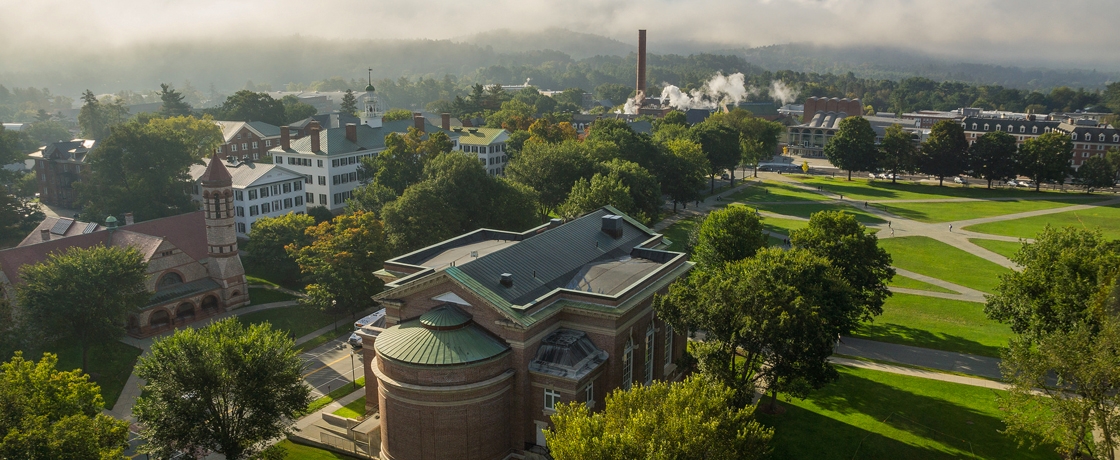
Dartmouth HallWelcome to all prospective or new M.A.L.S. students, and greetings to continuing students and alumni! We hope that this site helps to familiarize you with our unique program and answers many of your preliminary questions. Because M.A.L.S. is a program that requires the input and creativity of the student in designing the curriculum, many questions about the structure and content will depend upon your interests and your reasons for pursuing graduate education. Please see our information on M.A.L.S. Concentrations.

First, what is graduate liberal studies?

As it was first intended some thirty years ago, the Dartmouth M.A.L.S. program sought to provide a forum for adult learners to explore intellectual issues through a combination of disciplinary approaches and materials. At the undergraduate level, liberal arts provides a broad academic foundation in which students are exposed to subjects in the humanities, the social sciences, and the natural sciences. There are typically two concurrent goals: to become intellectually well-rounded, and to hone one's interest in a chosen discipline that emerges as an academic major. Building upon this base, graduate liberal studies presumes some familiarity with a particular field, but goes further to facilitate a more sophisticated exploration of issues in an area by drawing from other relevant bodies of knowledge. Please see our information on Sample M.A.L.S. Programs.

Who attends the M.A.L.S. Program?

Our student body spans a fifty-year age range, a multitude of undergraduate backgrounds, and numerous professional orientations. Traditionally designed as a program of intellectual development for classroom teachers, M.A.L.S. now includes individuals from the private sector, law, journalism, healthcare, non-profit organizations, the arts, as well as recent college graduates preparing for advanced graduate work at the doctoral level. Most students are seeking a program that will allow them the flexibility to explore issues beyond one discipline, to augment areas of knowledge that they may consider to be weak in their own background, to test their creativity through writing, or to solidify their academic foundation before pursuing a more focused program of study. While nearly half of our students attend M.A.L.S. on a full-time, year-round basis, many still take courses on a part-time basis while continuing to work in the region. In addition, we continue to offer the summers-only enrollment option to teachers and other professionals who cannot attend during the academic year.

What can I do with a M.A.L.S. degree?

Unlike professional education or traditional academic programs, liberal studies does not offer a set career path ensured by a degree. Many prospective students exploring this field will return to or continue their profession with a new perspective on key content issues and honed skills of inquiry. Others are anticipating a career change and choose M.A.L.S. to gain a broader base of knowledge in a new area. In the case of recent college graduates, M.A.L.S. courses allow them to continue the breadth of inquiry of liberal arts while also providing a bridge to a doctoral program in a discipline other than their prior major. Our alumni pursue careers in most sectors: private, public, and not-for-profit, with strong leanings towards educational and creative fields.

Last Updated: 10/5/07