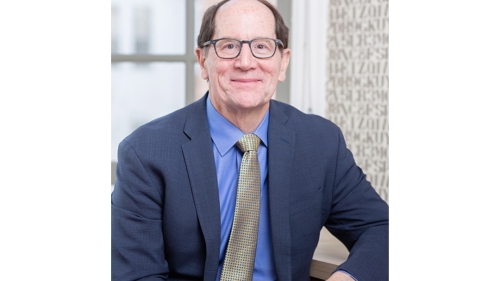
Dr. Daniel Lucey '77 MED '81 Awarded the 2024 Lester B. Granger '18 Award
MALS own, Dr.
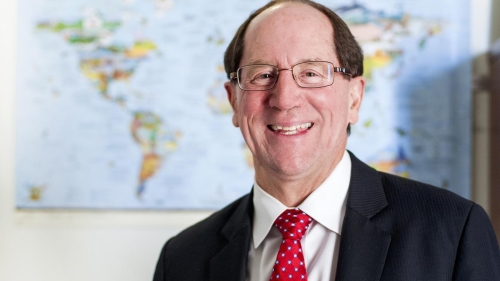
MALS own, Dr.
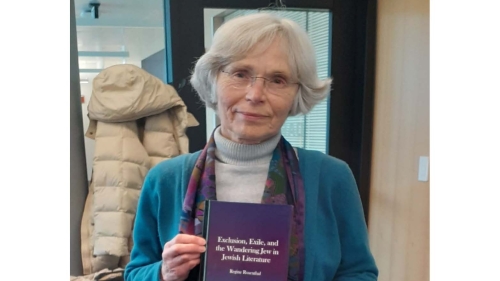
Exclusion, Exile, and the Wandering Jew in Jewish Literature
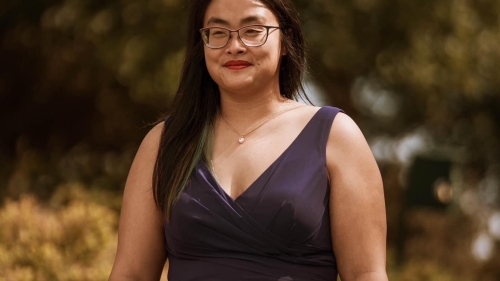
We are excited to introduce our new Admissions Coordinator to our MALS community! This profile was done by Kate Barlow, a current MALS student, so that we can all get to know Amanda.
The latest edition of the MALS Student Journal is now available!
Meet Current MALS Student, Nida Zehra! Read her interview to learn more about her experience as a graduate student at Dartmouth and what advice she has to offer to current and prospective MALS Students!
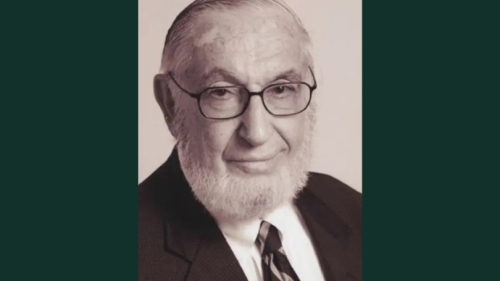
The Nelson A. Rockefeller Professor of Government Emeritus died on June 22.
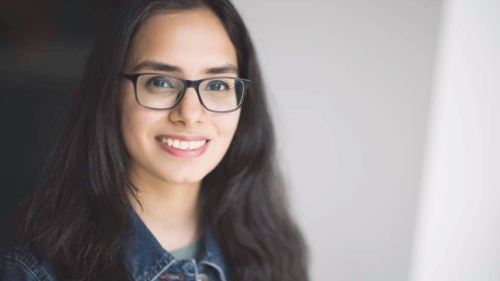
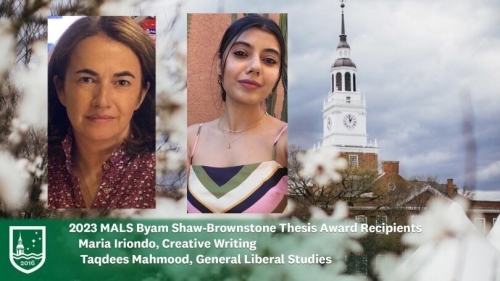
The Byam Shaw-Brownstone Thesis Excellence Award is awarded annually in recognition of outstanding thesis excellence. This year's recipients are Maria Iriondo for her work in creative writing, and Taqdees Mahmood for her thesis in general liberal studies.
Meet Creative Writing alumna, editor, and travel writer, Ellie Nan Storck! Read her interview to learn more about her experience as a graduate student at Dartmouth, how her MALS degree has helped further her career in writing, and what advice she has to offer to current and graduating MALS Students!
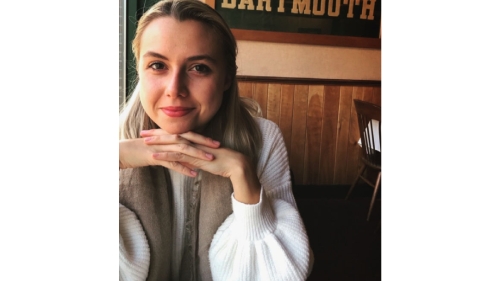
Meet Creative Writing student, Andree Sole, who entered the program in Spring of 2022! Click here to read about her experience as a current MALS student, and her involvement throughout the graduate and greater Dartmouth community!
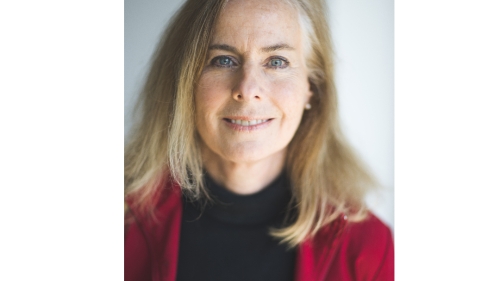
MALS Professor Dr. Daniel Lucey is the recipient of a 2023 Career Achievement Award by the Geisel School of Medicine at Dartmouth, honoring his 40-year career achievements in both clinical work and research in the arena of infectious diseases.