In Search of the Humans in Machine Listening
The Venn Vision Group "Intermedial Sounding: Conversations on Race, Media and the Senses" invites you to this talk with Jonathan Sterne (McGill).
The Venn Vision Group "Intermedial Sounding: Conversations on Race, Media and the Senses" invites you to this talk with Jonathan Sterne (McGill).
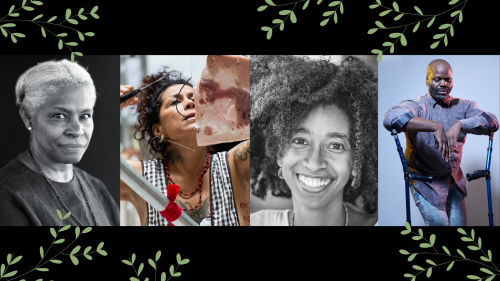
Join us May 9-11 for the third and final part of the 2024 Humanities Institute, a community gathering with speakers and performers Josefina Báez, Katia Tirado, Alexis Pauline Gumbs, and Barak adé Soleil.
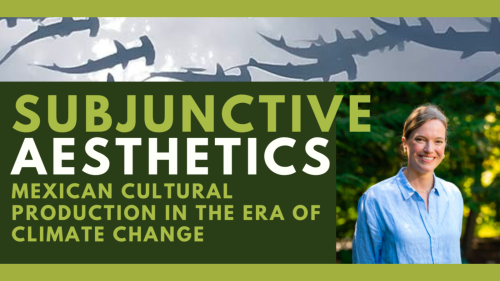
The Anthropocene Group and the Leslie Center for the Humanities invite you to join us for a talk by Professor Carolyn Fornoff.
The Center for the Cartoon Studies and the Leslie Center for the Humanities present the 2024 Will and Ann Eisner lecture.
the venn vision group, "intermedial sounding: conversations on race, media and the senses" presents this lecture with april l. graham-jackson (berkeley).

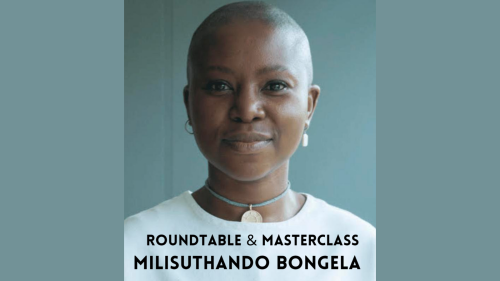
Editor, cultural worker and artist, Milisuthando Bongela, will conduct a roundtable and masterclass on April 9.
Join us for conversations with translators, publishers and editors on bridging distances in language and culture, April 12 and 13, 2024.

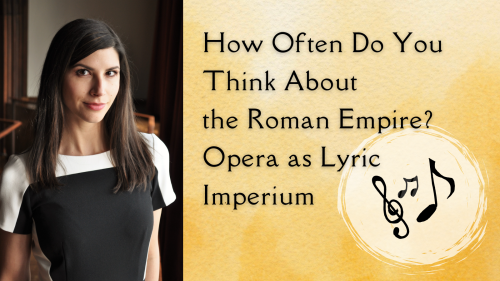
Join us for a talk on opera and race by Jessica Peritz (Yale) author of award-winning monograph, The Lyric Myth of Voice: Civilizing Song in Enlightenment Italy, Wed. March 27.
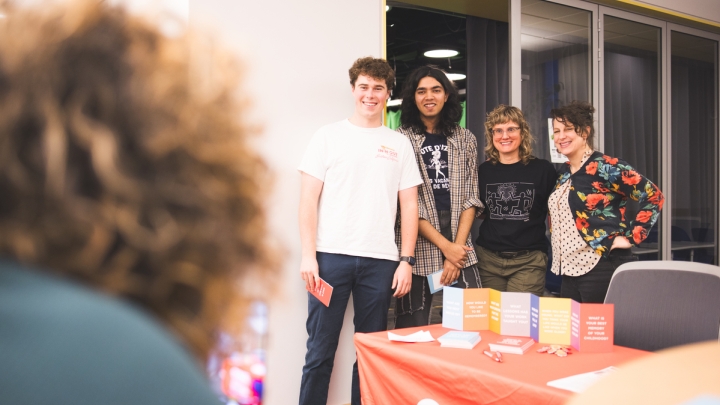
The Dialogue Project initiative shows how to build new bonds of connection on campus.
Jeannette Oholi champions Black European writers, poets, and literary scholars whose work has been underrepresented and understudied.