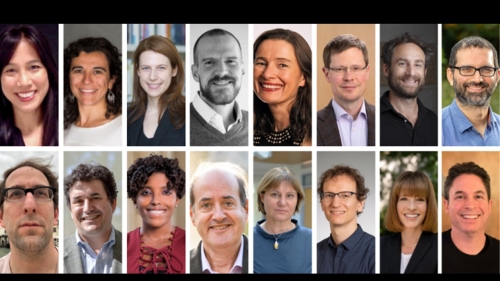
Overconfidence Can Blindside Science and Society Alike. Here's How Not to Get Fooled
"I try to foster the kind of critical scientific inquiry that I try to practice as a scientist in my teaching in the classroom," Prof Nyhan says on
"I try to foster the kind of critical scientific inquiry that I try to practice as a scientist in my teaching in the classroom," Prof Nyhan says on
New research by the Polarization Research Lab reports on public concerns about AI.

"The growth of these groups is largely flying under the radar.

"There's so much to confront here in Japan's position vis-à-vis nuclear weapons," Professor Lind says about the movie Oppenheimer premieri

In this episode, Matthew Evangelista discusses his recent International Security article, "A 'Nuclear Umbrella' for Ukraine?
"The campaign we're seeing is right out of the textbooks of what an authoritarian demagogue looks like and sounds like.

Amid the escalating horror in Gaza, the President will have to go around Benjamin Netanyahu to forge a postwar vision for the region. Read Prof.
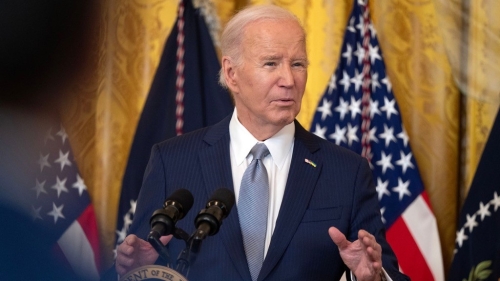
"It is foolhardy for Democrats to count on higher education to offset the growth of more conservative minority populations," Professor Westwood say

Polarization Research Lab launches report series for the 2024 presidential election.
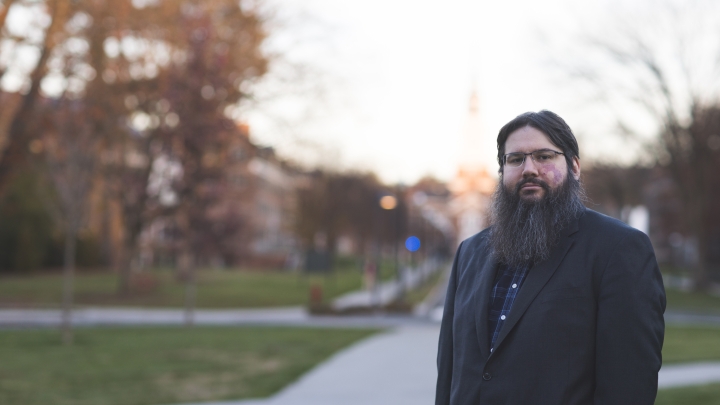
The American Political Science Association (APSA) is delighted to announce a new editorial team for the A