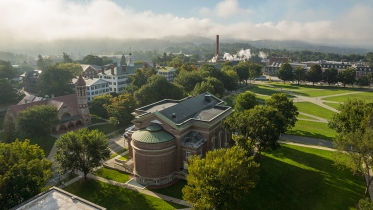
Catalyzing Change: A Year of Progress and Inclusion with the Accessible Dartmouth Initiative
The Accessible Dartmouth Initiative (ADI), officially launched in April 2022, is now in its second full academi

The Accessible Dartmouth Initiative (ADI), officially launched in April 2022, is now in its second full academi
Resources and support for navigating generative artificial intelligence (AI) in your teaching this term

A student panel shares about Dartmouth, student culture, and what to expect in the classroom at this year's New Faculty Orientation to Teaching
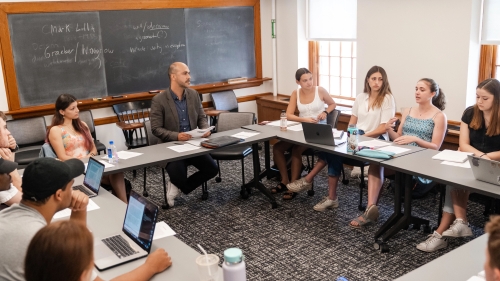
Considering the effects of generative artificial intelligence on teaching and learning

Project focuses on technology, furnishings, and adaptability, with regular upgrades.
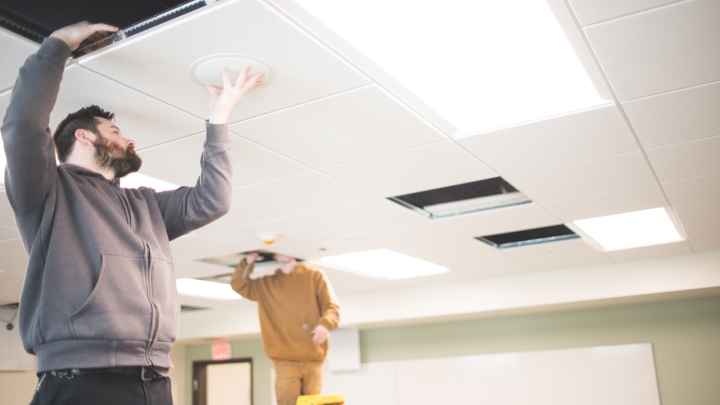
Advances in artificial intelligence spark enthusiasm, and some caution.

An innovative pilot project combines language learning with wellness practice.

During a recent visit to Dartmouth, Dr. Mays Imad facilitated a community-building and skills development workshop on trauma-informed teaching and learning entitled, "Bearing Witness as an Act of Love, Resistance, Hope, and Healing."

Interested in what DCAL has been doing this year? Take a look at our Annual Report.

During the '21-'22 academic year, ADI awarded the inaugural round of course redesign grants to three instructor