How immigration and the southern border became a big issue for this New England state
Professor Sunmin Kim recent interview with Savannah Kuchar of USA TODAY.
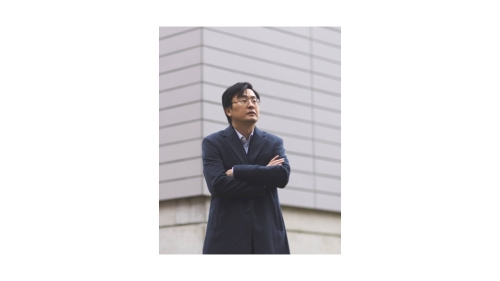
Professor Sunmin Kim recent interview with Savannah Kuchar of USA TODAY.
The program provides up to $30,000 toward graduate study related to public service.

3D Magazine, v. 17, April 2024
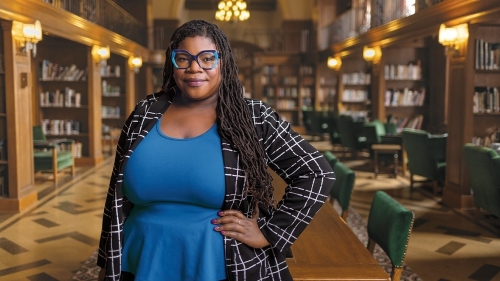
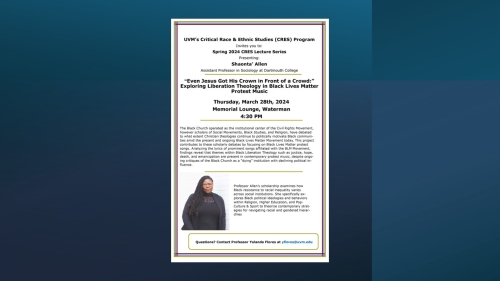
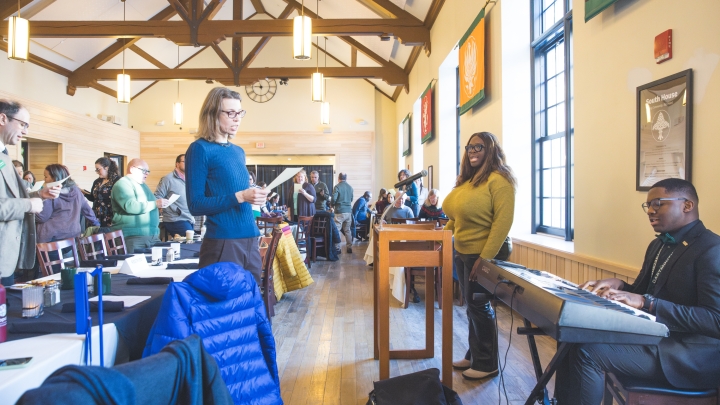
"Even Jesus Got His Crown in Front of a Crowd:" Exploring Liberation Theology in Black Lives Matter Protest Music
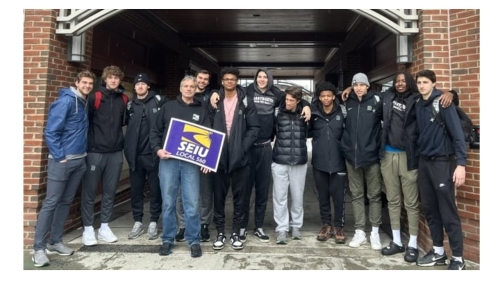
New York Times, March 5, 2024 'Scary and Daunting': Dartmouth Players Detail How Union Plan Came together. By Bill Witz
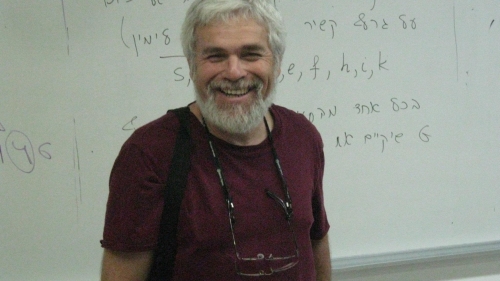
Op-ed in Haaretz on the only solution to the Gaza war.
Students return to campus as a new year, and winter term for undergraduates, gets underway.

"If we want to improve access and level this playing field, we need a program that's comprehensive and inclusive," the visiting a
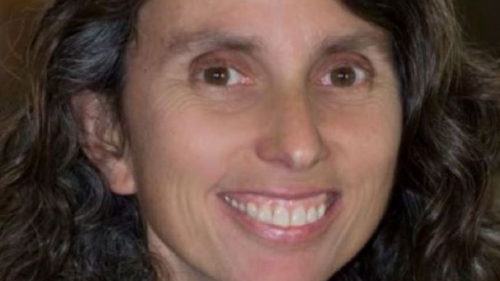
Study reports on the role, and limitations, of polling in South Korea's democracy.