
Zen Masters' Visit Will Have Something for Everyone
Plum Village monastics will share tools for applying mindfulness to everyday life.
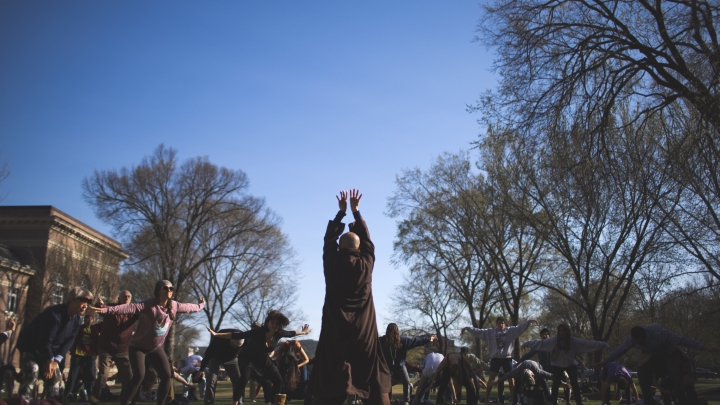
Plum Village monastics will share tools for applying mindfulness to everyday life.
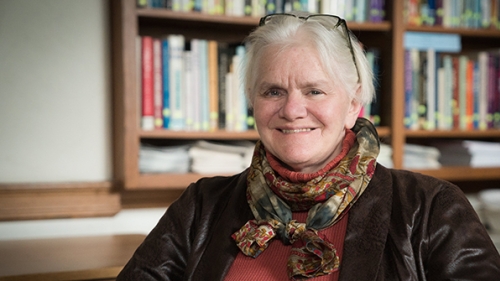
Join the Religion Department in congratulating Prof. Susan Ackerman on her retirement after more than 30 years of teaching at Dartmouth.
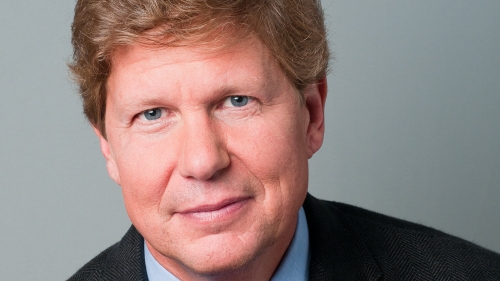
Prof. Randall Balmer writes an opinion piece about evangelicalism and his late father, an evangelical minister. Balmer says he suspects that his father "would be uneasy about the direction of contemporary evangelicalism."
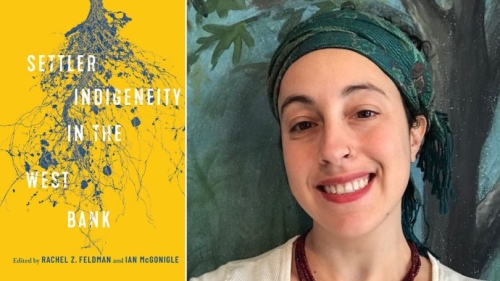
In a new volume co-edited by Assistant Professor of Religion Rachel Feldman, scholars investigate the politics of "indigeneity" in the West Bank.
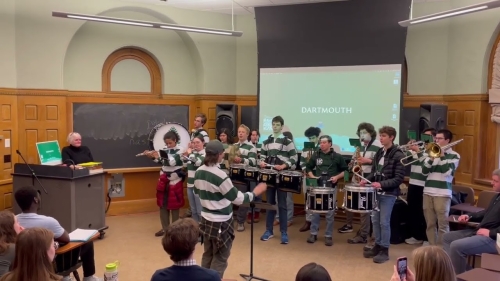
Faculty from Middle Eastern and Jewish Studies extend forums beyond campus.
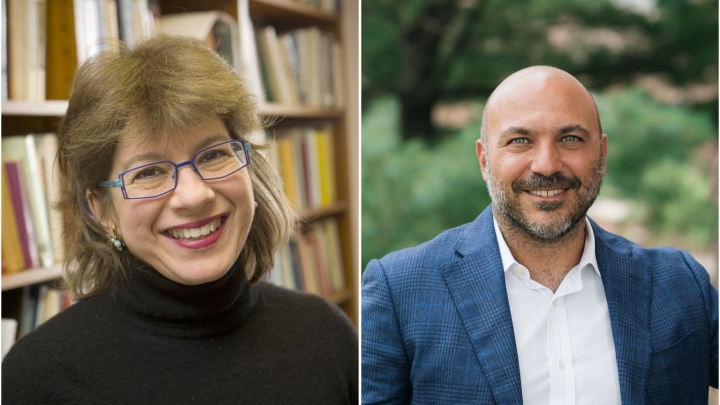
The Sperry Writing Prize is awarded annually to up to three students for the best essay, body of essays, or research paper written in any course offered by the Religion Department.
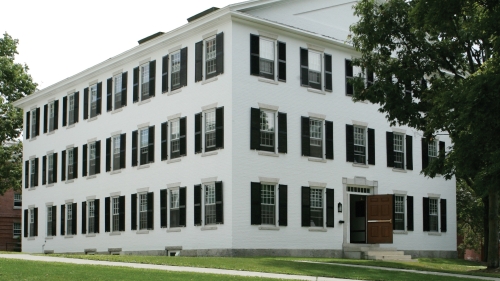
Professor Rachel Feldman has been announced as a recipient of the 2023 Jordan Schnitzer First Book Publication Award for her forthcoming book, "Messianic Zionism in the Digital Age: Jews, Noahides, and the Third Temple Imaginary."
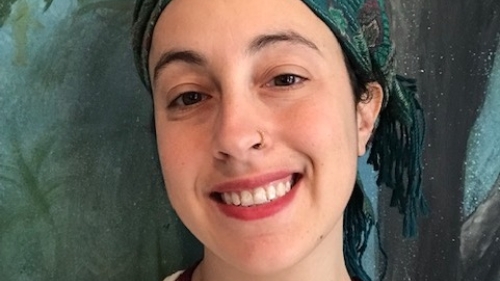
Religion lecturer Ralph H. Craig III discusses his forthcoming book on Tina Turner's spiritual path, "Dancing in My Dreams," with Publishers Weekly.
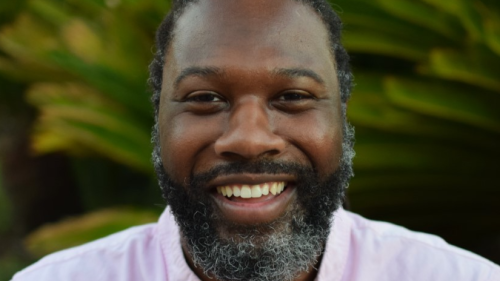
Professor Susan Ackerman is among thirty-eight members of the faculty who have been recognized for their exceptional accomplishments in teaching and mentoring, research, and other service to Dartmouth.
Professor Heschel was recognized in the House chamber after Israeli President Isaac Herzog invited her to attend his July 19 address to the U.S. Congress.