Announcing the 2024 Honorary Degree Recipients
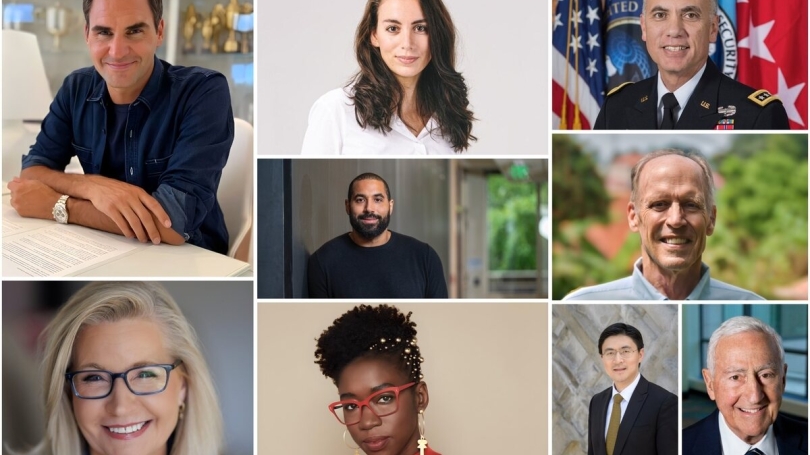
Nine remarkable individuals will receive honorary degrees at this year’s Commencement ceremony on June 9.
“The common denominator among this year’s diverse and exceptional class of honorands is the outsized impact they each have had as innovators and agents of change in their respective careers and in the world,” says President Sian Leah Beilock. “I am proud to welcome them to Dartmouth.”
Centennial Circle Makes $12.5M Financial Aid Gift
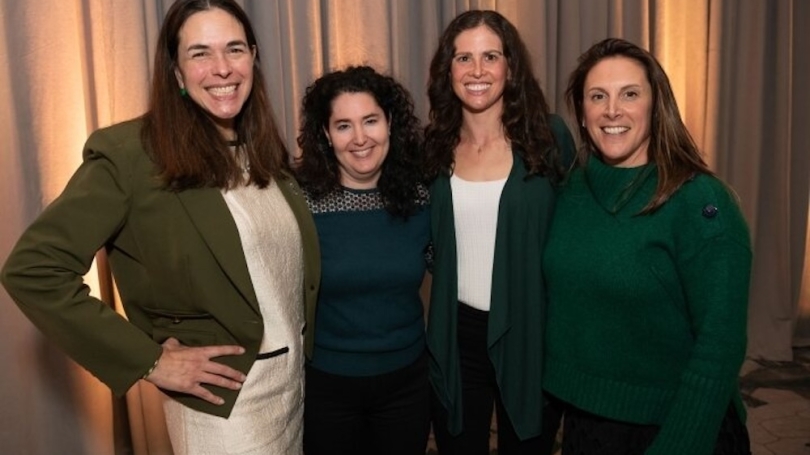
Centennial Circle members presented a $12.5 million check to President Sian Leah Beilock. As with nearly all funds raised through the Centennial Circle, the anniversary gift will provide essential financial aid for undergraduates and graduate students through the Dartmouth College Fund and the annual funds of Dartmouth's graduate and professional schools.
StoryCorps Partnership Starts Building Bridges
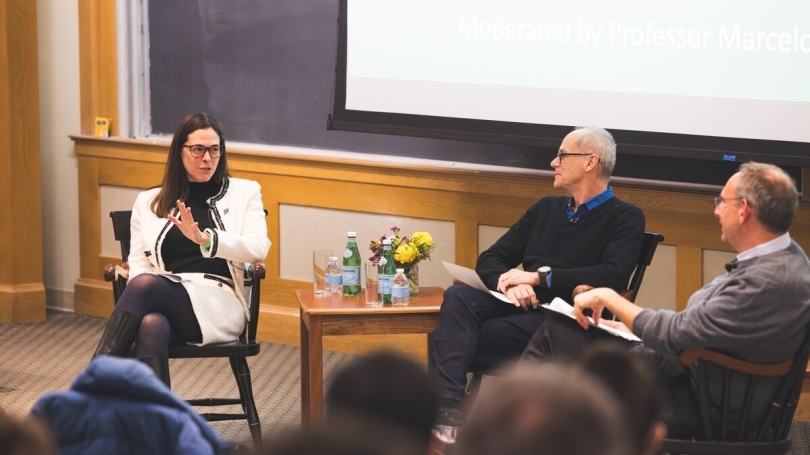
The conversation and Q&A with President Sian Leah Beilock and StoryCorps founder and president Dave Isay launched Dartmouth's three-year collaboration with StoryCorps' One Small Step program, which pairs people with different political views to record a facilitated conversation about their lives, and thereby see each other in new ways.
Symposium Explores AI Revolution in Health Care
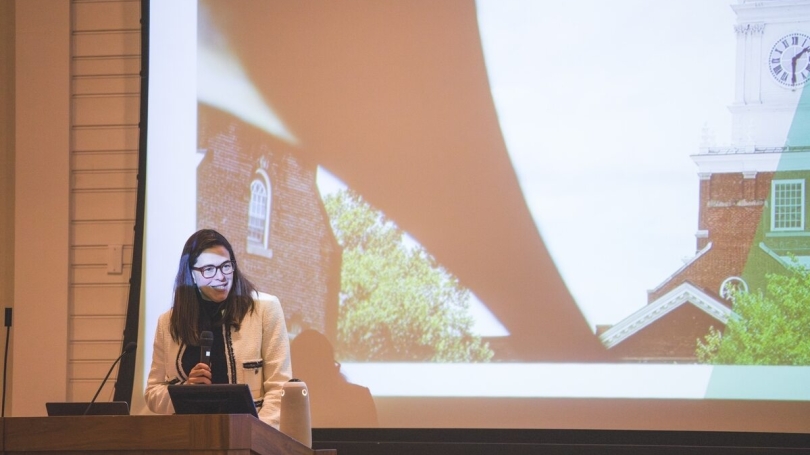
The AI in Medicine: Bridging Innovation & Practice event, held at the Hanover Inn, highlighted AI-driven innovations that are already changing the landscape of health care and sparked thoughtful discussions on recognizing potential pitfalls that the technology presents.
Global Sports Icon Roger Federer to Speak at 2024 Commencement
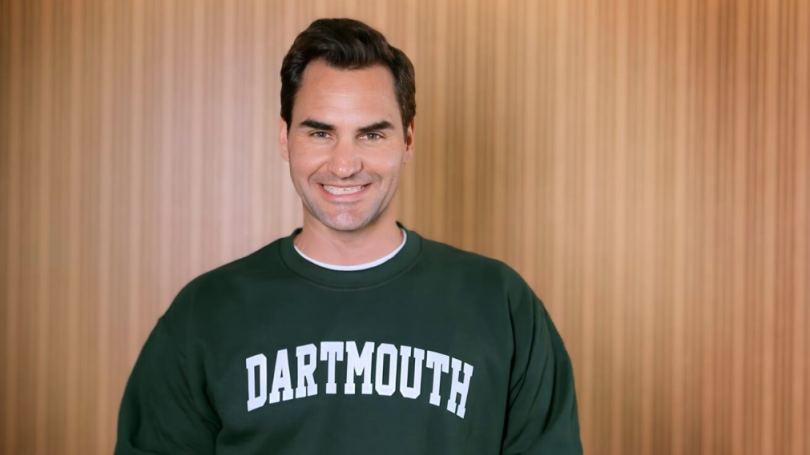
Swiss tennis legend and philanthropist Roger Federer—one of the greatest male athletes the sport has ever known—will address the Class of 2024 and receive an honorary doctor of humane letters degree at Commencement, which takes place on Sunday, June 9.
Get in Touch
Become familiar with President Beilock's Office and how to request a meeting with the President.