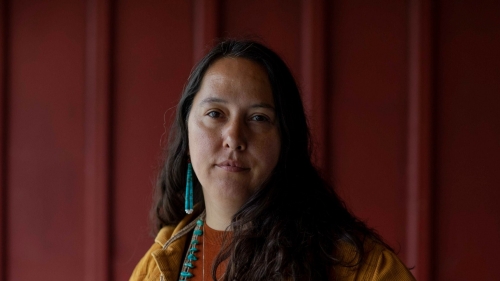
Ivy Native Council to Focus on Languages and Cultures
Conference will bring 150 Ivy League Native and Indigenous students to Dartmouth.
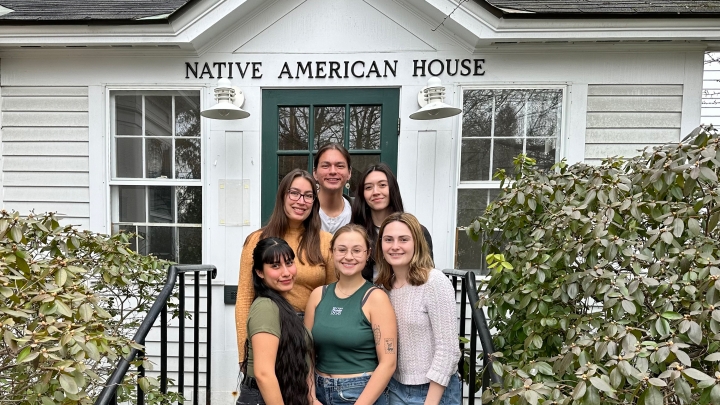
Conference will bring 150 Ivy League Native and Indigenous students to Dartmouth.
The committee's annual visit included a community dinner with Native students.
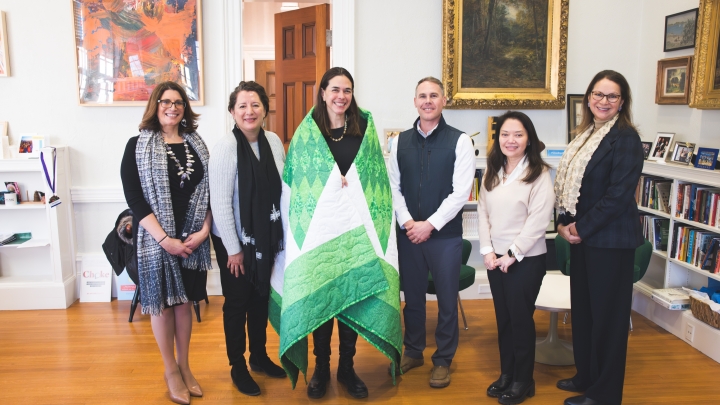
The TLA offers up to 25 newly elected/appointed tribal leaders to gather on campus with experts to explore aspects of governance, including inter-governmental relations, economic development, health care, resource management and law and order.
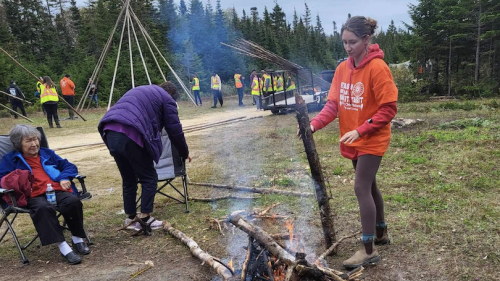
During the fall term of 2023, Abby Burgess '25 spent 12 weeks in her homelands: Eskasoni, Nova Scotia, a community on Cape Breton Island, known as
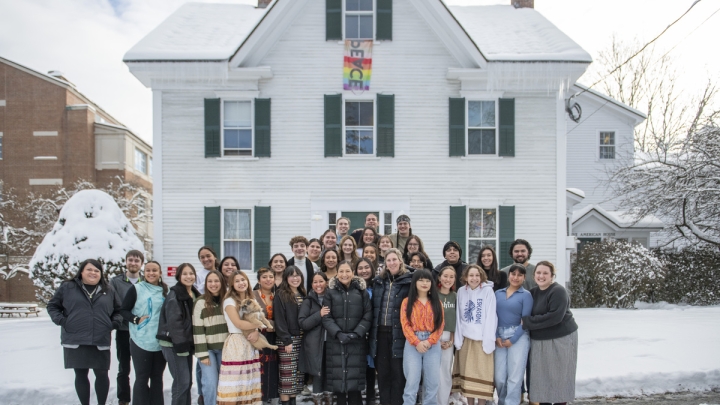
Native American students meet with Haaland, a member of the Pueblo of Laguna.
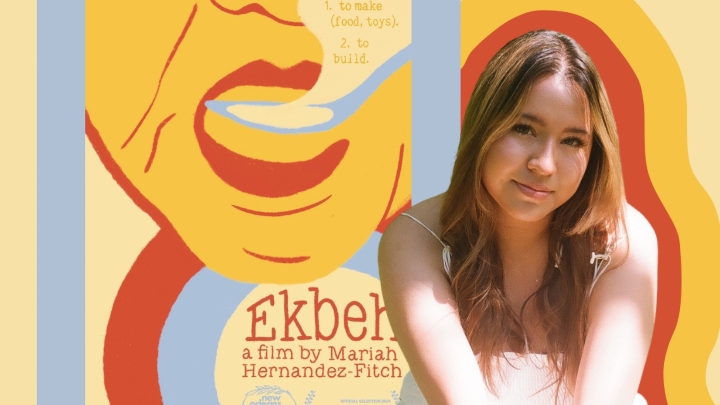
Mariah Eli Hernandez-Fitch '23 made the nonfiction film Ekbeh for her senior thesis.
NAIS major William David Rogers' 25 is the latest recipient of a Tribal Services and Solutions Project intersnhip.

American Banker speaks with Tuck alum and member of the Native American Visiting Committee Dawson Her Many Horses (Rosebud Sioux.)
Join Mohawk Seedkeeper Rowen White as she shares stories from the Indigenous Land and Seed Sovereignty movement.