What Is A Liberal Arts Education? And Why Is It More Important Than Ever in the Age of ChatGPT?
Professor Cecilia Gaposchkin answers these questions in a piece for 3D Magazine.
Professor Cecilia Gaposchkin answers these questions in a piece for 3D Magazine.
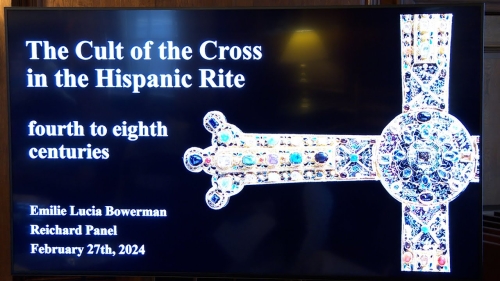
"The Cult of the Cross in the Hispanic Rite, fourth to eight centuries," by Emilie Bowerman, with Molly Lester for the Winter 2023 History Honors Thesis Allabough Panel
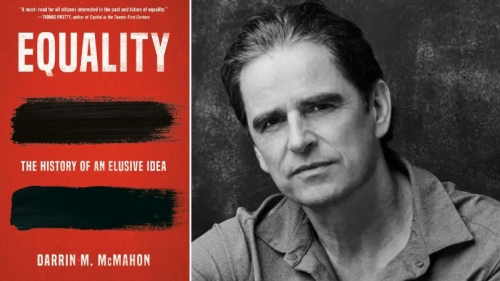
In his new book, historian Darrin McMahon illuminates how demands for equality throughout the ages have resulted in hierarchy and exclusion.
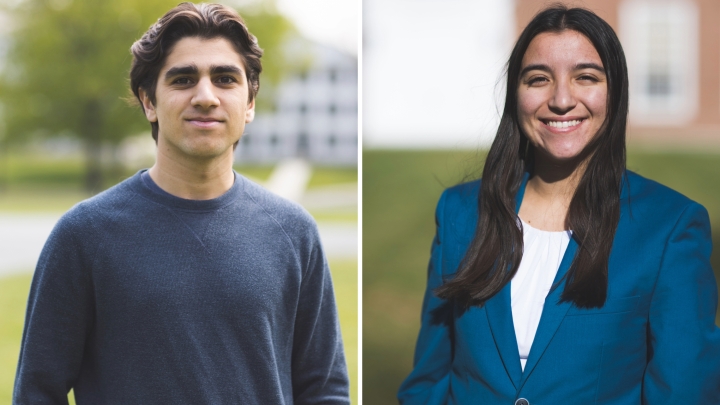
The coveted scholarships fund graduate study at Oxford.
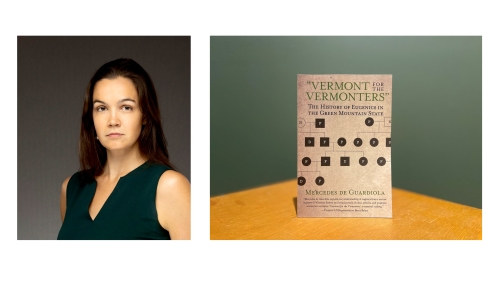
Mercedes de Guardiola '17 will present a book talk about her new book "Vermont for the Vermonters": The History of Eugenics in the Green Mountain State.
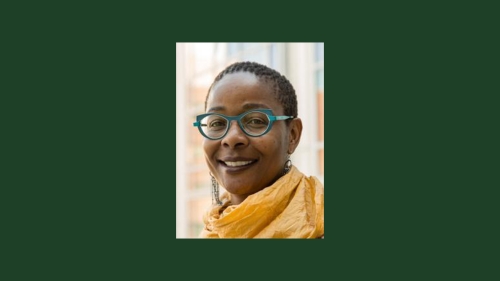
The Department of History welcomes Kenda Mutongi, MIT, for the Robert F. Allabough 1934 Memorial Lecture in History on Tuesday, October 17, 2022, at 5 p.m. in Carson L01.
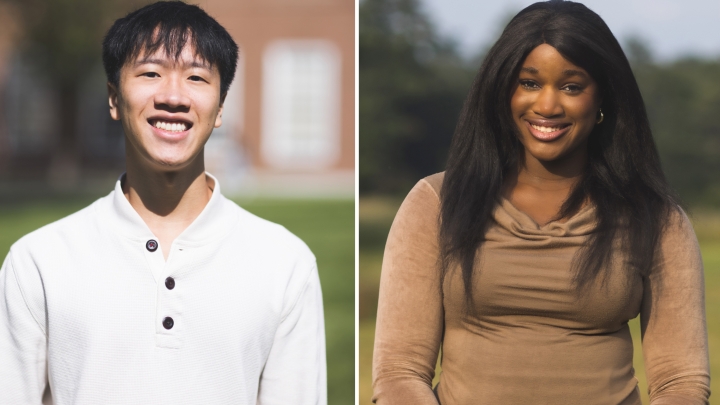
Kenny Mok '25 and Onyinyechi Owo '25 have been awarded Voyager Scholarships.
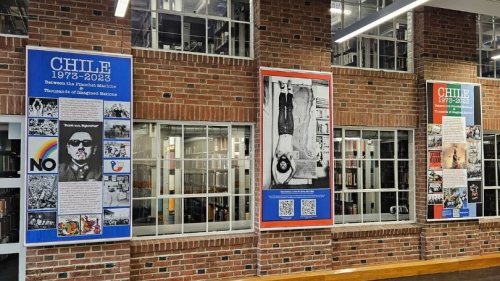
Mellon Faculty Fellow Mauricio Acuña organized an exhibition and three events to foster dialogue on the consequences of the violent military coup on Latin America and the world.
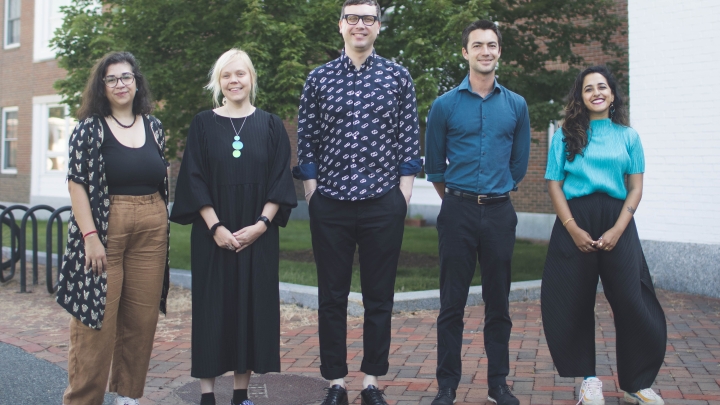
Fifty postdocs have advanced their studies in the program since its founding in 2015.
Sebastian Conrad will present a lecture titled "Bodybuilding and Muscular Manliness – Towards a Global History" at 4:30 p.m. on September 14, 2023 in Haldeman 041.