Studying the Environment in Southern Africa
Students learn about conservation, resource management, and environmental policy in the foreign study program in Namibia and South Africa.
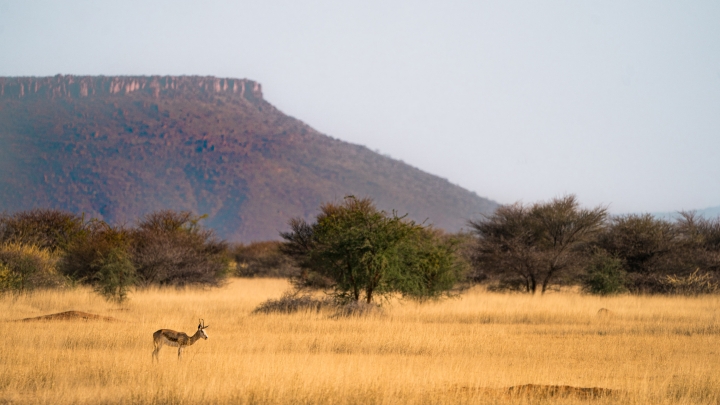
Students learn about conservation, resource management, and environmental policy in the foreign study program in Namibia and South Africa.
Transcribing E. Lorne Knight's diarized words from the Stefansson Collection into FromThePage has become a powerful learning tool in Ross Virginia's Environmental Issues of the Earth's Cold Regions class.

The right mix of soil and microbes could be a climate resilience tool for cities.
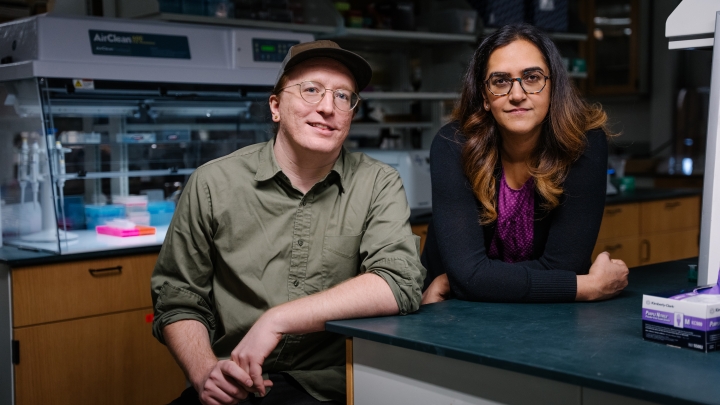
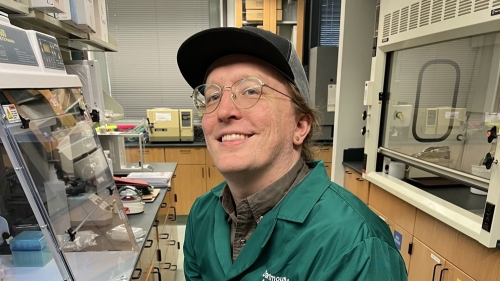
Join us in congratulating Paul Metzler, who won the 2023 Hello Bio Lab Hero award in the category or Lab Supporter.
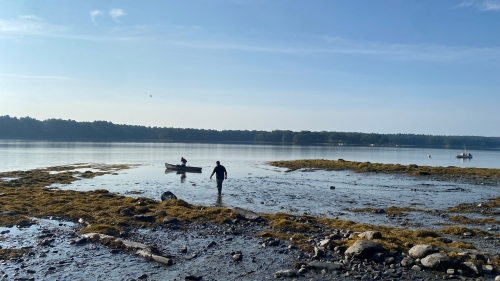
With the input of shellfish harvesters from Waldoboro and other towns in coastal Maine, Dartmouth Environmental Studies major and researcher Rachel Freer hopes to understand how people in coastal communities approach marine conservation.
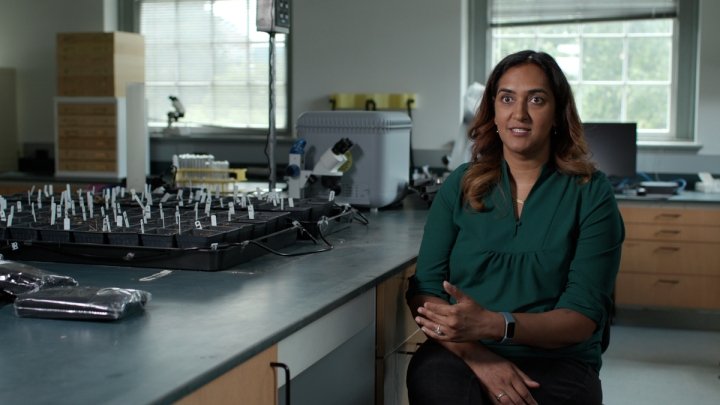
The environmental studies professor works on mycorrhizae, macroecology, and movement.
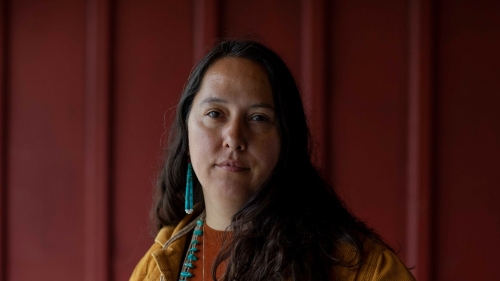
Join Mohawk Seedkeeper Rowen White as she shares stories from the Indigenous Land and Seed Sovereignty movement.
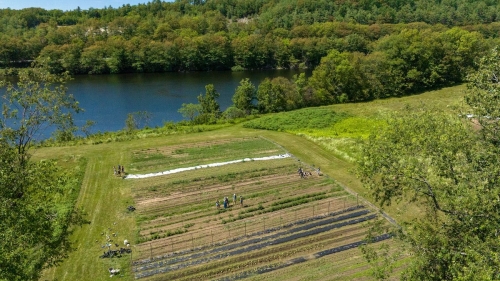
Research and community outreach led by Assistant Professor of Environmental Studies Theresa Ong helps farmers adopt sustainable agricultural practices.
The Environmental Studies Department at Dartmouth seeks applicants for a full-time tenure-track assistant professor in Indigenous Environmental Studies.

How Scary Was The Meg? UC Merced Prof Has Answers in Discovery's Shark Week Show