Winter and Spring Events in the Department of English and Creative Writing
View upcoming events in the Department of English and Creative Writing this fall! All events are free and open to the public.
View upcoming events in the Department of English and Creative Writing this fall! All events are free and open to the public.
It's been a busy beginning to the spring term, around campus, and in the English and Creative Writing department, with several exciting events already taking place.
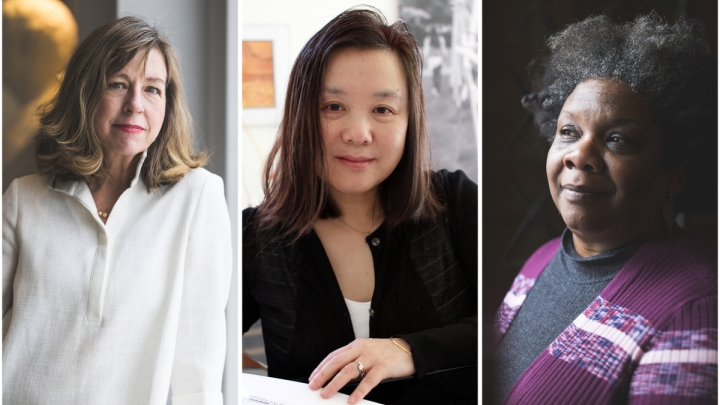
Kui Dong, Vievee Francis, and Laura Ogden are among 188 award recipients this year.
Join us for conversations with translators, publishers and editors on bridging distances in language and culture, April 12 and 13, 2024.
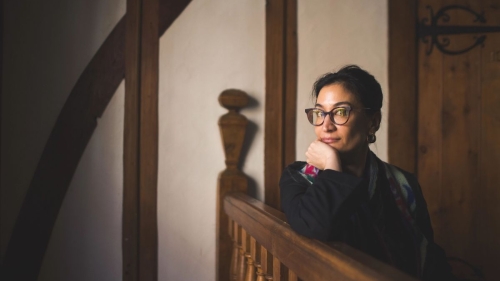
A public conference on Feb. 23 and 24 co-led by professor Nirvana Tanoukhi will explore the impact of memes on society and culture.
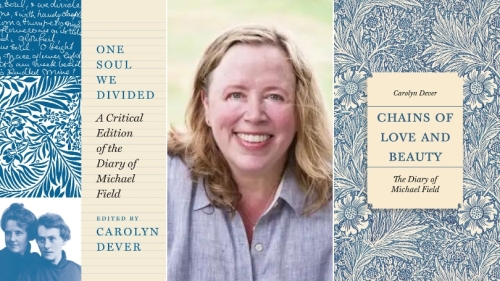
In two new books, professor Carolyn Dever champions the diary of Michael Field, the pseudonym of 19th-century authors and romantic partners Katharine Bradley and Edith Cooper.
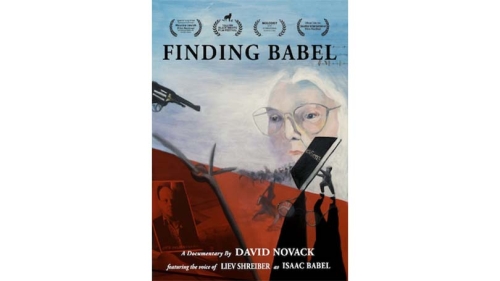
The department of English and Creative Writing is hosting two events on Tuesday, January 23 in Dartmouth 105 celebrating the work of the great stor
The student-curated show explores Dartmouth's Shakespeare-related archives.
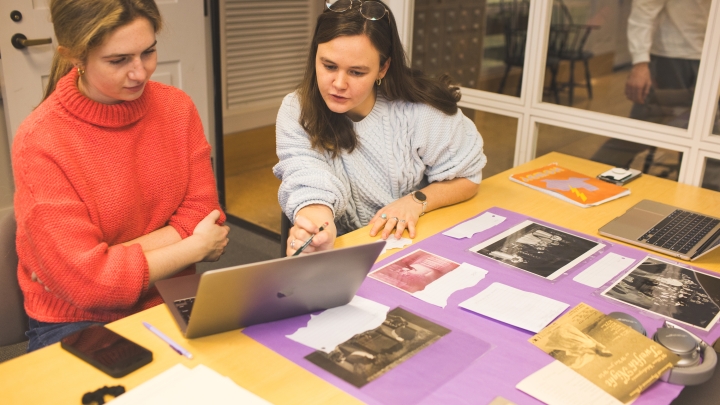
The biennial gathering has made Dartmouth a leader in medieval studies in the Northeast for nearly 20 years.
Dubrova received the 2023 Student Translation Award from the American Translators Association.