Curious About Translation!
Summer 2024, Decolonizing Translation, 2A, Lada Kolomiyets, COLT 19.06/RUSS 38.27, no prerequisites, LRP, taught in English.

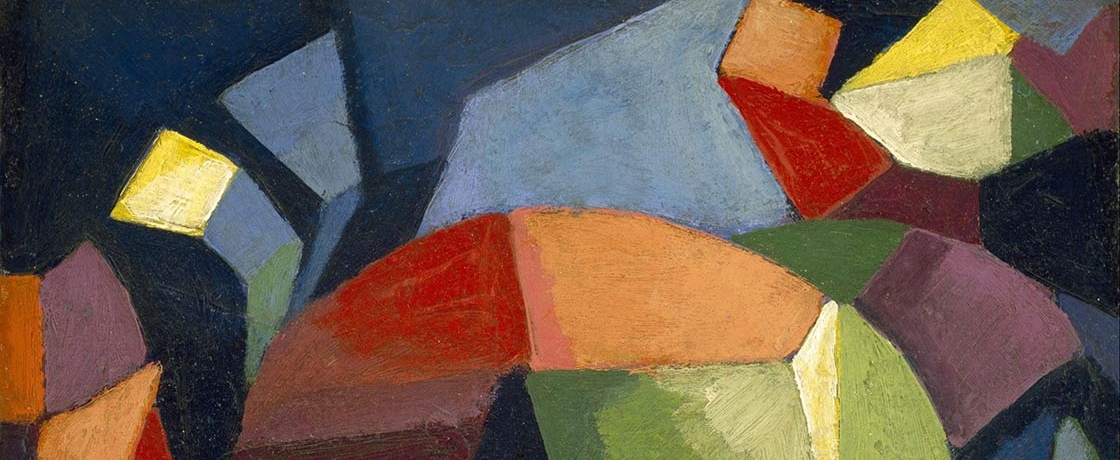
Summer 2024, Decolonizing Translation, 2A, Lada Kolomiyets, COLT 19.06/RUSS 38.27, no prerequisites, LRP, taught in English.
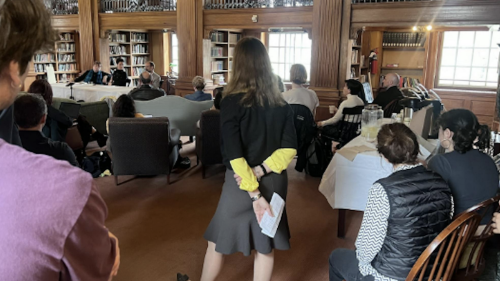
April 12, 2024, three professional translator's panel "The Bridge," held an event at Sanborn Library.
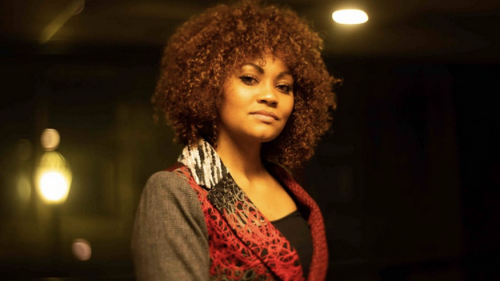
This years Zantop lecturer is Charisse Burden-Stelly, Wayne State University. April 25, 2024, 5:00 pm, Carson L02, free and open to the public.
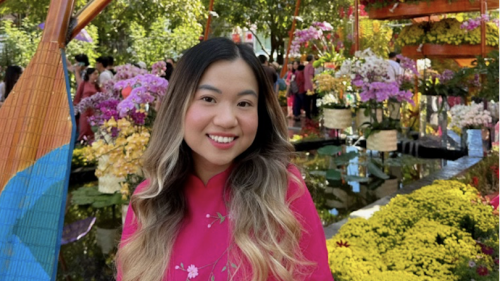
Camella Pham, Guarini '23, has been awarded the American Comparative Literature Association's Presidential Master's Prize for Best Master's Thesis for "Colonial Translation Turned Vietnamization: Pham Quỳnh and the Discourse of Transculturation".
Summer 2024: COLT 57.10/ASCL 70.18*Social Revolutions East and West: Japan and America in the 1960s. Professor James Dorsey's research probes the intersection of culture and politics—and fosters a creative approach to translation in this course.
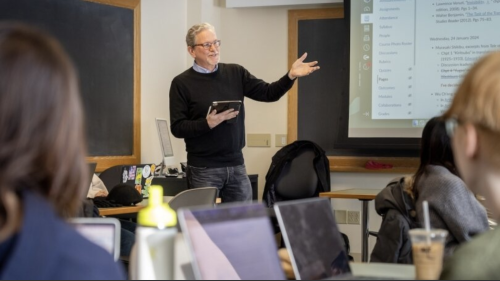
Professor Lada Kolomiyets, translations of Halyna Kruk, Lviv, Ukraine and two other women-poets' work were published online by international poetry journal and platform Versopolis.

Halyna Kruk gave a Zoom lecture on March 1, 2024. Halyna Kruk, Ivan Franko National University, Lviv, Ukraine, Ukrainian scholar and award-winning author Halyna Kruk will join us from Ukraine to offer a woman's voice of the experience of the war. Please go to the following link to watch the lecture.
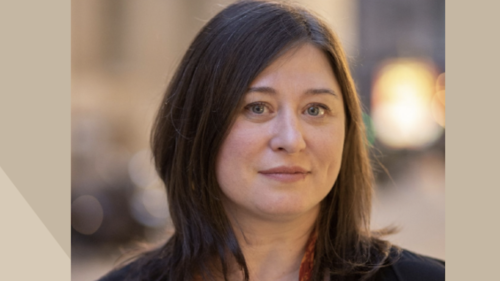
Veronika Yadukha D'23 COLT MA Graduate initiative Translatorium just won the Chytomo publishing award. Congratulations!

Aidan Keys is attending University of Texas, Austin in the Program in African and African Diaspora Studies.
Andrew Meraz is attending Princeton University for his PhD in Slavic Studies.