Geomorphology and Surficial Processes at Dartmouth
|
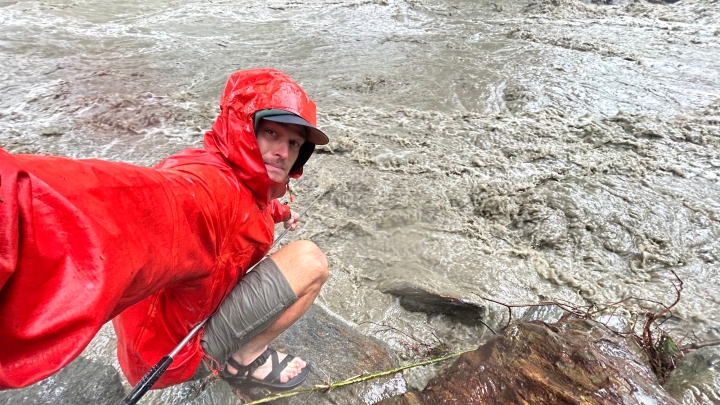
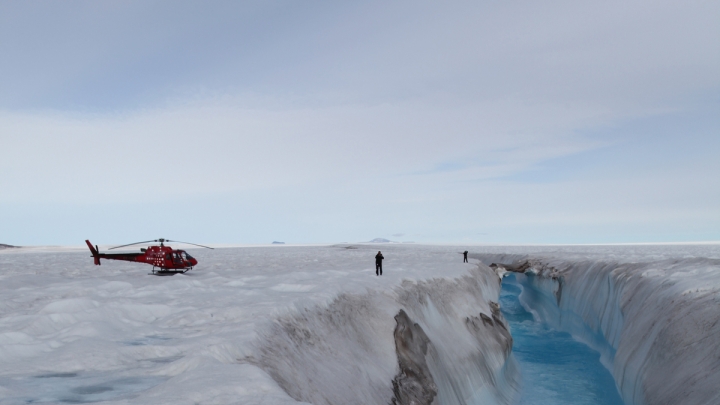
| Active erosion on a Himalayan ridge crest. Photo taken during geomorphology field work in Nepal. |
Overview. Geomorphology examines the characteristics and configuration and evolution of geologic surfaces and land forms. Specifically, geomorphology is concerned with the study of the form and development of landscapes. A number of people are involved in gemorphology and surficial processes research within Department of Earth Sciences at Dartmouth College. These researchers (listed below) examine a diverse set of research questions related to geomorphology and surfacial processes, including the physical and chemical weathering of rocks and mountains, the transport of sediments through rivers to the ocean, and the chemical weathering processes related to soil development.
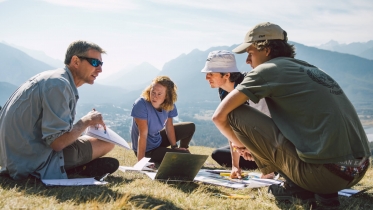
Field Research. One of the cornerstones of geomorphic research is quantitative field research; thus, numerous research projects in geomoprhology and surfical processes have extensive field components. Dr. Dade examines sediment transport in Taiwan and the interior United States. Dr. Bostick maintains field sites for soils research in New England, California and Idaho. Dr. Magilligan examines the connection between river flooding, climate, and human history in the dry deserts of Peru. Dr. Magilligan and Dr. Renshaw also have active research projects investigating the role of dams in altering sediment transport.
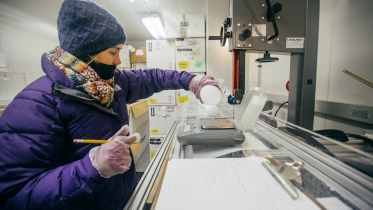
Laboratory Facilities. Studies of surficial processes also requires laboratory research for the analysis of field samples and other research. Here, we have a variety of laboratory facilities to determine isotopic composition and chemical concentration and speciation for conventional studies. We also have facilities available for mechanistic investigations of chemical weathering and sediment transport. Some of these facilities are explained in more detail in the laboratory section below.
AFFILIATED FACULTY
SURFICIAL PROCESSES LABORATORIES