PFAS Exposure From High Seafood Diets May Be Underestimated
Study stresses the need to set safety standards for "forever chemicals" in seafood.
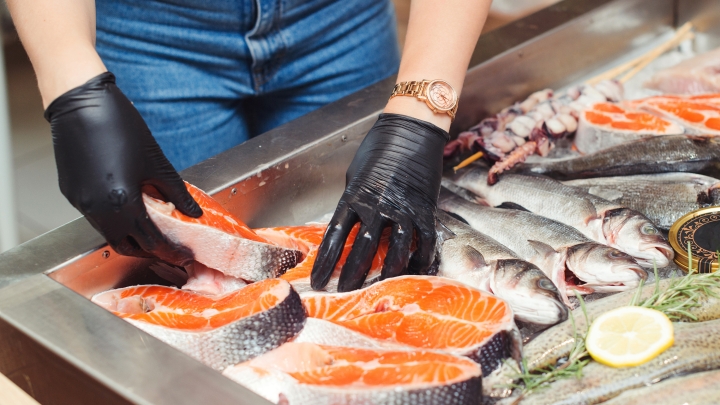
Study stresses the need to set safety standards for "forever chemicals" in seafood.
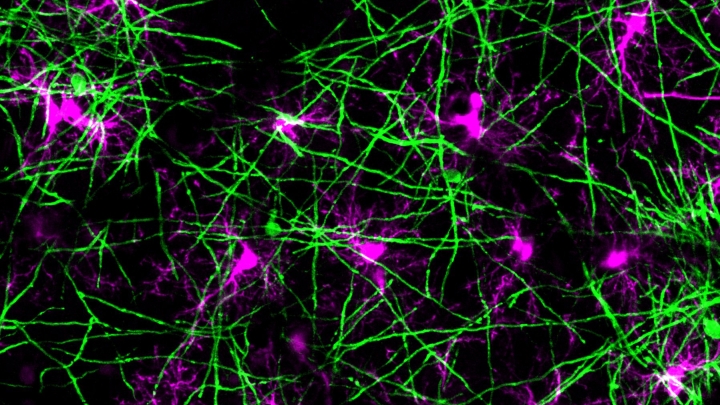
Dartmouth study finds cells critical for brain function survive 45 days after trauma.
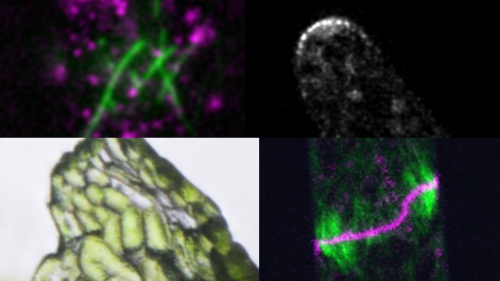
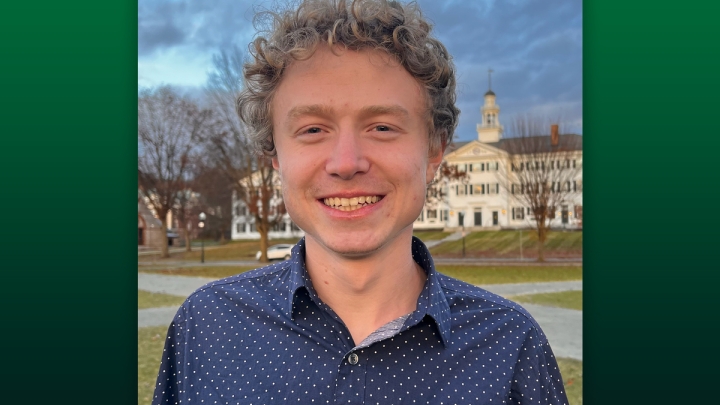
The biology major will continue studying plant genetics and agricultural systems.
Cultivating the skill of visual observation is a goal of education in biology and medicine. Professor Lee Witters and Krista Schemitsch '24 have created a website "Learning Medicine & Biology Through Classical Art" that has a collection of art that enables others to use this tool.

The Department of Biological Sciences at Dartmouth invites applicants for a full-time tenure-track position in Evolutionary Biology at the Assistant Professor rank. We seek highly qualified candidates who combine experimental and genetic/genomic approaches to address broadly relevant concepts in evolutionary biology.

We wish you all the best!
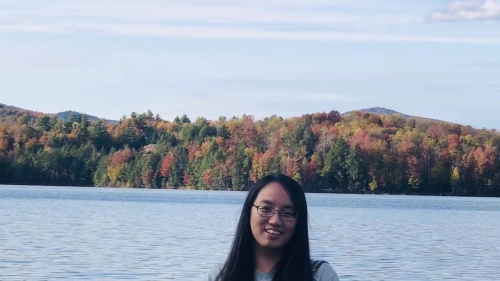
Dr. Hanqing Guo has received the Hannah Croasdale Graduate Scholar Award for her graduate research work done in Prof. Bing He's laboratory.
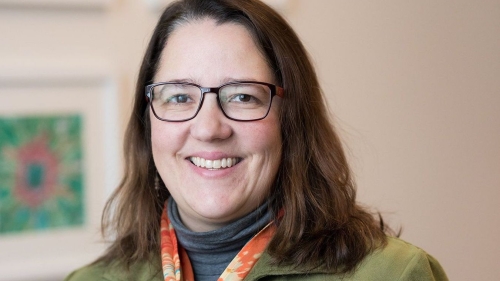
The honor recognizes distinguished and long-term contributions to plant biology.
Research led by the Bezanilla Lab reveals how a mysterious protein plays a crucial role in plant growth.

The Journal of Cell Biology publication reports fundamental new insights into the mechanisms that plant cells use to synthesize cellulose.